Being a founder is a bit like an STD: once you have it, you never get rid of it. There's always that nagging feeling that something doesn't work the way it should. And if nobody else is going to fix it, then fuck it, I'll do it myself.
How I got here
I've always been a founder, just not always a successful one. I started my first company in high school. It failed. I moved to London to study and started another one, in crypto. That failed too.
Then I moved to Colombia and worked in tech, close to some of the founders of Rappi, the country's first unicorn. After that came corporate innovation, freelance consulting, and running product at a B2B fintech startup. I was miserable there. When I got the chance to quit and start my own company again, I took it.
Along the way I led Founder Institute in Colombia as a volunteer, and found out how much I love helping founders. Today I'm back in Europe, working in AI, and I still mentor at accelerators. It's where I get my energy.
My last startup raised about $1.5M, including Y Combinator. This is what I'd tell myself before starting it.
1. Trust your gut, and take the fights early
By the time I started, I'd been grinding for years and had drifted away from myself. I was too ready to let things go, too ready to think "I've worked hard enough, success should come now."
If I did it again, I'd be braver. Trust my gut, make the hard decisions quickly, and take the fights early, while they're still small.
In Colombia there's a phrase, malicia indígena: the street smarts to know that not everyone has your best interests at heart. I'm naive. I believe the best of people. Most people are fine, but you will meet some who aren't. Better to expect it than to learn it late.
2. Find people with backbone
The best thing I did was find a few really good people: some investors, some early employees. Honest, hard-working, sharing my values, and with enough backbone to challenge me. We had healthy arguments, and nothing would have happened without them.
Look for people who will tell you you're wrong.
3. Stay small until customers tell you what to build
I spent almost a year trying things, talking to people and looking for the right people to start with. Then the money came in steps:
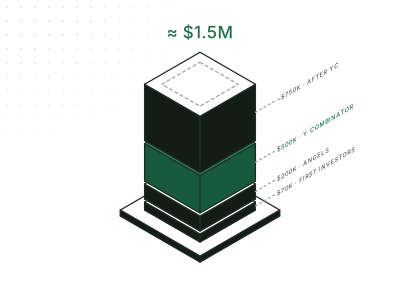
- $70k from the first investors
- $200k from angels
- $500k from Y Combinator
- About $700–800k more on the back of YC
Roughly $1.5M in total. Too much of it went on tech, and on the growth we expected instead of the growth we had.
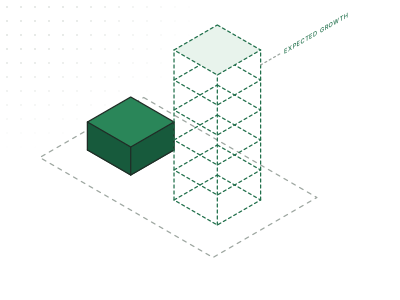
We should have stayed small and focused on sales and on working with clients. Once the clients showed us what to build, we should have hired for exactly that, or hacked it together ourselves. We didn't, and that's 100% on me.
4. Don't set up the company before you need it, and don't cheap out when you do
We used a US online service to set up the company for about $250. It looked fine. It wasn't. When we got into YC, a proper lawyer reviewed everything, and almost all of it had to be redone.
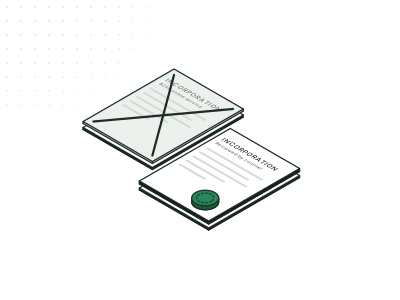
Worse, I'd set it up a year to a year and a half before we really started. Paying for a company you don't use yet, with paperwork you'll redo anyway, is the wrong order. When you do set it up, have a lawyer look at it before the first cheque comes in, not after.
5. The mistakes I see most
Every journey is different, but these come up again and again:
- Raising too early, without the network, the traction or anything else that makes it work for you.
- Going into a market where you have no context, no special insight and no network to lean on.
- Starting with cofounders you've never worked with, when you already know people you trust.
- Giving early investors 30–40% of the company. Then you're stuck: there isn't enough room left to raise the next round.
- Raising at a valuation that's too high, or too low.
Before anything else: the five validations
If a friend told me tomorrow "I'm quitting to start something", I'd tell them to run five validations first:
 Market
 Tech
 People (the team)
 Financial
 Legal
They're usually quick. Whether you do them now or six months in, they're what tell you whether to keep going or stop. So the sooner you check them off, the better.
When you do set up the company, Capfolder keeps your cap table and the signed papers in a folder on your own computer. It's free and open source.
Read next
I'm not a lawyer, and this isn't legal, tax or financial advice. It's my own experience. Talk to a lawyer before you sign anything.